Introduction
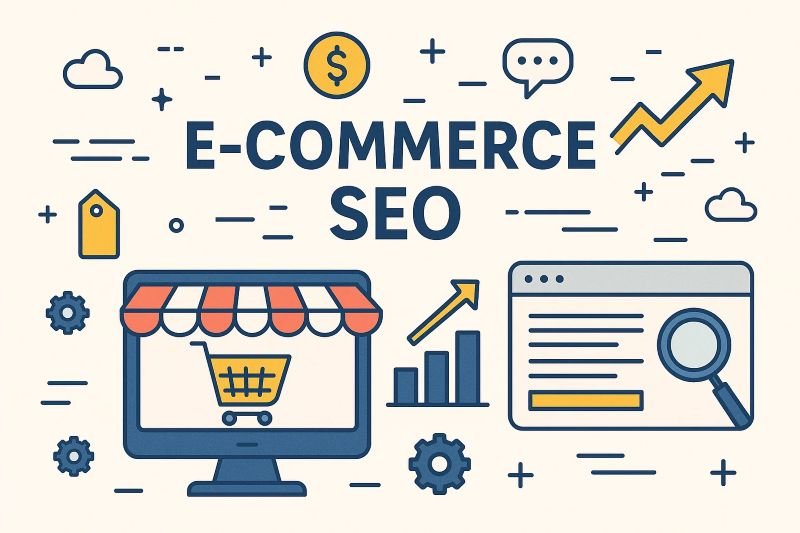
In 2025, e-commerce is more competitive than ever. Millions of online stores compete for the same audience, making search engine visibility crucial. E-Commerce SEO is the key to driving organic traffic, improving rankings, and increasing sales without relying solely on paid ads.
Thank you for reading this post, don't forget to subscribe!This blog will cover effective strategies to optimize your e-commerce store for search engines, attract qualified traffic, and convert visitors into loyal customers.
Why E-Commerce SEO Matters
E-commerce SEO helps search engines understand your store, products, and value to users. Optimizing your website ensures that potential buyers find your products when they search online. Benefits include:
- Higher Organic Traffic – Appearing on top search results increases visibility.
- Better User Experience – SEO encourages fast, mobile-friendly, and intuitive websites.
- Increased Sales – More traffic and better targeting lead to higher conversions.
- Cost-Effective Marketing – Organic traffic reduces dependency on paid ads over time.
Top E-Commerce SEO Strategies
1. Optimize Product Pages
Your product pages are the heart of your store. Ensure they include:
- Unique, keyword-rich titles and descriptions
- High-quality images with descriptive alt text
- Clear pricing, shipping, and return information
- User reviews and ratings to build trust
2. Conduct Keyword Research
Identify high-intent keywords that potential buyers use. Include:
- Short-tail keywords for broad visibility
- Long-tail keywords for targeted searches
- Product-specific terms for individual items
Tools like Google Keyword Planner, SEMrush, and Ahrefs can help uncover profitable keywords.
3. Improve Site Structure
A well-organized site enhances both SEO and user experience:
- Use clear categories and subcategories
- Include breadcrumbs for easy navigation
- Implement a logical URL structure with keywords
4. Focus on Mobile Optimization
Over 70% of online shoppers use mobile devices. Make sure your store:
- Loads quickly on all devices
- Uses responsive design
- Offers easy navigation and checkout
5. Enhance Page Speed
Fast-loading pages improve rankings and reduce bounce rates. Optimize by:
- Compressing images
- Minimizing code and scripts
- Using caching and content delivery networks (CDNs)
6. Build High-Quality Backlinks
Backlinks from reputable sites increase domain authority and rankings:
- Collaborate with bloggers and influencers
- Submit guest posts to relevant websites
- List products on authoritative directories
7. Leverage Content Marketing
Content drives traffic, builds trust, and improves rankings:
- Start a blog focused on your niche
- Create buying guides, tutorials, and product comparisons
- Use video content to showcase products and features
8. Optimize for Voice and Local Search
With voice assistants on the rise:
- Include natural, conversational phrases in your content
- Optimize for local search terms if you have a physical presence
- Add structured data for better visibility in rich results
9. Monitor and Improve SEO Performance
Track your progress with tools like Google Analytics and Search Console:
- Monitor organic traffic, rankings, and conversions
- Identify pages with high bounce rates
- Continuously tweak content and technical elements
Conclusion
E-Commerce SEO is not just about ranking—it’s about creating a seamless experience that drives qualified traffic and sales. By optimizing product pages, improving site structure, leveraging keywords, and building high-quality backlinks, your store can outperform competitors in search results.
Implement these strategies consistently, measure results, and adjust based on performance. With the right SEO approach, your e-commerce store can thrive in 2025 and beyond.